Working Backwards: start from the end to succeed at a project
Published
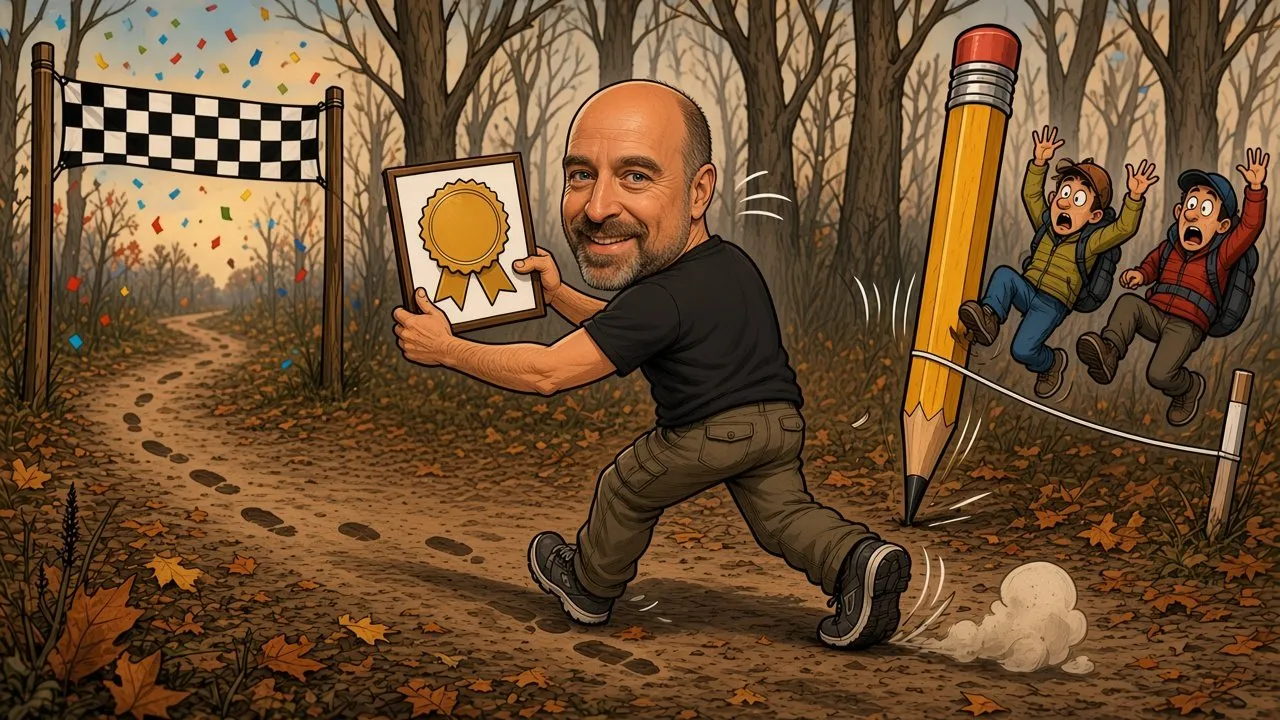
Before I start, I write the final result as if it were already delivered, then I work back to the beginning.
Working Backwards: start from the end to succeed at a project
I’ve been working this way for several years.
I love it. And on top of that, it works.
💡 What is Working Backwards?
It’s a method born at Amazon.
It’s described in the book Working Backwards, by Colin Bryar and Bill Carr.
The idea is simple: you don’t start with the solution. You start with the end, with a one-page press release written as if the product already existed.
❓ The five questions
Before I write a single line of a plan, I answer five questions.
- Who is the customer?
- What is their problem?
- What is the main benefit for them?
- How do we know what they really want?
- What does their experience look like?
If I can’t answer them clearly, I’m not ready to start.
📝 The press release: the heart of the method
The press release is the most important piece.
It forces me to describe the result in the customer’s words, not the team’s.
If it isn’t clear, exciting and easy to read, neither is the project. Better to find that out on one page than six months later.
🧱 Its structure
It fits on one page and always follows the same order.
- The headline: the product’s name and what it brings, in one line.
- The subheading: who it’s for and the main benefit.
- The date and place: the delivery day, as if it had already happened.
- The summary: what it is, in two or three sentences.
- The problem: what bothers the customer today.
- The solution: how the product solves that problem.
- The leader’s quote: why we did this project.
- How to get started: the customer’s first steps, with no effort.
- A customer quote: what they would say after trying it.
- The call to action: where to go to try it.
I rewrite it several times. Each version makes the project clearer.
❔ The FAQ
Then I add an FAQ with the hard questions: costs, risks, what we won’t do.
The press release sells the idea. The FAQ proves it holds up.
🎯 Set a date
The press release carries a date. That date sets the pace.
For ACM, I made the plan on October 1, with testers at the end of October and the launch at the end of November.
The launch happened on November 17. On time.
That’s not luck. It’s the method I’ve been using for years.
🏠 And in real life?
The method isn’t just for software.
A renovation: I write what the finished room looks like, then work back to the first step.
A trip: I describe the perfect moment there, then plan what leads to it.
A career: I write where I want to be in three years, then find the first step to take.
🍳 The simple version
- Write the end first, as if it were already done.
- Answer the five questions about your customer.
- Write a one-page press release and a short FAQ.
- Set a delivery date.
- Work back to the first step, then start.